| name | problem-creation |
| description | Guide for creating a single LeetCode problem scaffold - scrape, transform to JSON template, generate files, and verify. Use ONLY when user explicitly requests problem creation via /problem-creation command or provides a specific LeetCode problem number/name. |
Problem Creation Guide
Assistant Workflow
When user requests a problem by number or name/slug, the assistant will:
- Scrape problem data using
uv run lcpy scrape
- Transform data into proper JSON template format
- CRITICAL: Include images - Extract image URLs from scraped data and add to readme_examples with format:
\n\n before code blocks
- Check scraped data for image URLs in the
raw_content field
- Look for patterns:
https://assets.leetcode.com/uploads/... or <img alt="" src="..." />
- Common patterns:
kthtree1.jpg, kthtree2.jpg, clone_graph.png, container.jpg
- Images provide crucial visual context, especially for tree and graph problems
- Always verify images are included in
readme_examples and accessible
- Create JSON file in
leetcode_py/cli/resources/leetcode/json/problems/{problem_name}.json
- Update tags.json5 - If user specifies tags, manually add problem name to corresponding tag arrays in
leetcode_py/cli/resources/leetcode/json/tags.json5
- Generate problem structure using
bake p-gen
- Update @bakefile.py - Set
problem = "{problem_name}" on the MyBakebook class to the newly created problem name for easier bake command usage
- Verify with
bake lint - fix template issues in JSON if possible, or manually fix generated files if template limitations
- Iterate if JSON fixes: re-run
bake p-gen -p {problem_name} -f and bake lint until passes to ensure reproducibility
If user does not specify a problem number or name/slug, run:
uv run python .claude/.dev/next_problem.py
This will suggest the next problem to work on from the available problem lists based on completion status.
Scraping Commands
uv run lcpy scrape -n 1
uv run lcpy scrape -s "two-sum"
JSON Template Format
Required fields for leetcode_py/cli/resources/leetcode/json/problems/{problem_name}.json:
CRITICAL: Use single quotes for Python strings in playground fields to avoid JSON escaping issues with Jupyter notebooks.
JSON Escaping Rules:
playground_test_case: Use single quotes for string literals (e.g., s = 'hello' not s = "hello")playground_execution: Use single quotes for string literalsplayground_assertion: Use single quotes for string literals- Double quotes in JSON + cookiecutter + Jupyter notebook = triple escaping issues
Test Cases Format:
test_cases: Use structured format with {"list": ["..."]} instead of string arrays- Each test case should be a string representation of the tuple/parameters
- Example:
{"list": ["('input1', 'input2', expected)", "('input3', 'input4', expected)"]}
IMPORTANT: Create actual JSON files, not JSON5
The template below uses JSON5 format with comments for documentation purposes only. When creating the actual .json file, you must:
- Remove all comments (lines starting with
//)
- Use proper JSON syntax with quoted property names
- Save as
.json file (not .json5)
Template with comments (JSON5 format for reference only):
{
// ============================================================================
// COMPREHENSIVE LEETCODE TEMPLATE EXAMPLE
// ============================================================================
// This example demonstrates ALL template patterns using valid_anagram as base
// with comprehensive comments showing variations for different problem types.
//
// REFERENCE PROBLEMS (see .templates/leetcode/json/ for complete examples):
// 1. valid_anagram - Basic: string parameters, boolean return
// 2. invert_binary_tree - Tree: TreeNode imports/parameters
// 3. merge_two_sorted_lists - LinkedList: ListNode imports/parameters
// 4. lru_cache - Design: custom class, multiple methods, operations
// 5. implement_trie_prefix_tree - Trie: DictTree inheritance
// ============================================================================
// === PROBLEM IDENTIFICATION ===
problem_name: "valid_anagram", // snake_case: used for directory/file names
solution_class_name: "Solution", // "Solution" for basic problems
// "LRUCache" for design problems
// "Trie(DictTree[str])" for inheritance
problem_number: "242", // LeetCode problem number as string
problem_title: "Valid Anagram", // Exact title from LeetCode
difficulty: "Easy", // Easy, Medium, Hard
topics: "Hash Table, String, Sorting", // Comma-separated topics from LeetCode
_tags: { list: ["grind-75"] }, // Optional: common problem set tags
// Use _tags wrapper for cookiecutter lists
// === README CONTENT ===
// IMPORTANT: Preserve rich HTML content from LeetCode including:
// - Code snippets with backticks: `code`
// - Bold text: **bold** or <strong>bold</strong>
// - Italic text: *italic* or <em>italic</em>
// - Images: 
// - HTML formatting: <p>, <br>, <ul>, <li>, etc.
// - Mathematical expressions and special characters
readme_description: "Given two strings `s` and `t`, return `true` if `t` is an anagram of `s`, and `false` otherwise.",
_readme_examples: {
// Use _readme_examples wrapper for cookiecutter lists
list: [
{ content: '```\nInput: s = "anagram", t = "nagaram"\nOutput: true\n```' },
{ content: '```\nInput: s = "rat", t = "car"\nOutput: false\n```' },
// For tree problems: Include images
// { "content": "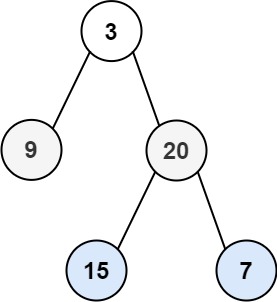\n\n```\nInput: root = [4,2,7,1,3,6,9]\nOutput: [4,7,2,9,6,3,1]\n```" }
],
},
readme_constraints: "- 1 <= s.length, t.length <= 5 * 10^4\n- s and t consist of lowercase English letters.",
readme_additional: "**Follow up:** What if the inputs contain Unicode characters? How would you adapt your solution to such a case?",
// === HELPER FUNCTIONS ===
// New template system uses helper functions for cleaner test organization
helpers_imports: "", // Empty for basic problems
// "from leetcode_py import TreeNode" for tree problems
// "from leetcode_py import ListNode" for linked list problems
helpers_content: "", // Additional helper content if needed
helpers_run_name: "is_anagram", // Function name matching main method
helpers_run_signature: "(solution_class: type, s: str, t: str)",
// For tree: "(solution_class: type, root_list: list[int | None])"
// For linked list: "(solution_class: type, list1_vals: list[int], list2_vals: list[int])"
// For design: "(solution_class: type, operations: list[str], inputs: list[list[int]])"
helpers_run_body: " implementation = solution_class()\n return implementation.is_anagram(s, t)",
// For tree: " root = TreeNode[int].from_list(root_list)\n implementation = solution_class()\n return implementation.invert_tree(root)"
// For design: " cache = None\n results: list[int | None] = []\n # ... operation loop ...\n return results, cache"
helpers_assert_name: "is_anagram", // Function name matching main method
helpers_assert_signature: "(result: bool, expected: bool) -> bool",
// For tree: "(result: TreeNode[int] | None, expected_list: list[int | None]) -> bool"
// For design: "(result: list[int | None], expected: list[int | None]) -> bool"
helpers_assert_body: " assert result == expected\n return True",
// For tree: " expected = TreeNode[int].from_list(expected_list)\n assert result == expected\n return True"
// === SOLUTION TEMPLATE ===
solution_imports: "", // Empty for basic problems
// "from leetcode_py import TreeNode" for tree problems
// "from leetcode_py import ListNode" for linked list problems
// "from leetcode_py.data_structures import DictTree, RecursiveDict" for trie problems
solution_contents: "", // Additional content before class definition
solution_class_content: "", // Content inside class definition (usually empty)
// === TEST CONFIGURATION ===
test_imports: "import pytest\nfrom leetcode_py import logged_test\nfrom .helpers import assert_is_anagram, run_is_anagram\nfrom .solution import Solution",
// For design: "from .solution import LRUCache" instead of Solution
test_content: "", // Additional test content
test_class_name: "ValidAnagram", // PascalCase: TestClassName for pytest class
test_class_content: " def setup_method(self):\n self.solution = Solution()",
// Empty for design problems: ""
// === SOLUTION METHODS ===
_solution_methods: {
// Use _solution_methods wrapper for cookiecutter lists
list: [
{
name: "is_anagram", // snake_case method name
signature: "(self, s: str, t: str) -> bool", // Full method signature with type hints
// For tree: "(self, root: TreeNode[int] | None) -> TreeNode[int] | None"
// For linked list: "(self, list1: ListNode[int] | None, list2: ListNode[int] | None) -> ListNode[int] | None"
body: " # TODO: Implement is_anagram\n return False",
// For design problems with __init__:
// { "name": "__init__", "signature": "(self, capacity: int) -> None", "body": " # TODO: Initialize\n pass" }
},
],
},
// === TEST HELPER METHODS ===
_test_helper_methods: {
// Use _test_helper_methods wrapper for cookiecutter lists
list: [
{ name: "setup_method", parameters: "", body: "self.solution = Solution()" },
// Empty list for design problems: []
],
},
// === TEST METHODS ===
_test_methods: {
// Use _test_methods wrapper for cookiecutter lists
list: [
{
name: "test_is_anagram", // test_{method_name}
signature: "(self, s: str, t: str, expected: bool)", // Method signature with type hints
parametrize: "s, t, expected", // pytest parametrize parameters
// For tree: "root_list, expected_list"
// For design: "operations, inputs, expected"
test_cases: {
list: [
"('anagram', 'nagaram', True)",
"('rat', 'car', False)",
"('listen', 'silent', True)",
"('hello', 'bello', False)",
"('', '', True)",
"('a', 'a', True)",
"('a', 'b', False)",
"('ab', 'ba', True)",
"('abc', 'bca', True)",
"('abc', 'def', False)",
"('aab', 'abb', False)",
"('aabbcc', 'abcabc', True)",
"('abcd', 'abcde', False)",
"('race', 'care', True)",
"('elbow', 'below', True)",
"('study', 'dusty', True)",
"('night', 'thing', True)",
"('stressed', 'desserts', True)",
],
},
// For tree: {"list": ["([4, 2, 7, 1, 3, 6, 9], [4, 7, 2, 9, 6, 3, 1])", "([2, 1, 3], [2, 3, 1])", "([], [])"]}
// For design: {"list": ["(['LRUCache', 'put', 'get'], [[2], [1, 1], [1]], [None, None, 1])"]}
body: " result = run_is_anagram(Solution, s, t)\n assert_is_anagram(result, expected)",
// For tree: " result = run_invert_tree(Solution, root_list)\n assert_invert_tree(result, expected_list)"
// For design: " result, _ = run_lru_cache(LRUCache, operations, inputs)\n assert_lru_cache(result, expected)"
},
],
},
// === PLAYGROUND NOTEBOOK ===
// CRITICAL: Use single quotes for Python strings to avoid JSON escaping issues with Jupyter notebooks
// Double quotes in JSON + cookiecutter + Jupyter notebook = triple escaping issues
// ALWAYS use single quotes: s = 'hello', not s = "hello"
playground_imports: "from helpers import run_is_anagram, assert_is_anagram\nfrom solution import Solution",
// For tree: "from helpers import run_invert_tree, assert_invert_tree\nfrom solution import Solution\nfrom leetcode_py import TreeNode"
// For design: "from helpers import run_lru_cache, assert_lru_cache\nfrom solution import LRUCache"
playground_setup: "# Example test case\ns = 'anagram'\nt = 'nagaram'\nexpected = True",
// For tree: "# Example test case\nroot_list: list[int | None] = [4, 2, 7, 1, 3, 6, 9]\nexpected_list: list[int | None] = [4, 7, 2, 9, 6, 3, 1]"
// For design: "# Example test case\noperations = ['LRUCache', 'put', 'get']\ninputs = [[2], [1, 1], [1]]\nexpected = [None, None, 1]"
playground_run: "result = run_is_anagram(Solution, s, t)\nresult",
// For tree: "result = run_invert_tree(Solution, root_list)\nresult"
// For design: "result, cache = run_lru_cache(LRUCache, operations, inputs)\nprint(result)\ncache"
playground_assert: "assert_is_anagram(result, expected)",
// For tree: "assert_invert_tree(result, expected_list)"
// For design: "assert_lru_cache(result, expected)"
// ============================================================================
// PROBLEM TYPE VARIATIONS SUMMARY:
// ============================================================================
//
// BASIC PROBLEMS (valid_anagram):
// - solution_class_name: "Solution"
// - solution_imports: ""
// - Simple method signatures: "(self, s: str, t: str) -> bool"
// - Basic test cases: structured format with {"list": ["..."]}
// - Playground: single quotes for strings
//
// TREE PROBLEMS (invert_binary_tree):
// - solution_class_name: "Solution"
// - solution_imports: "from leetcode_py import TreeNode"
// - Tree method signatures: "(self, root: TreeNode[int] | None) -> TreeNode[int] | None"
// - Helper functions use TreeNode.from_list()
// - Test cases: structured format with list representations of trees
// - Playground: TreeNode imports and list conversions
//
// LINKED LIST PROBLEMS (merge_two_sorted_lists):
// - solution_class_name: "Solution"
// - solution_imports: "from leetcode_py import ListNode"
// - List method signatures: "(self, list1: ListNode[int] | None, list2: ListNode[int] | None) -> ListNode[int] | None"
// - Helper functions use ListNode.from_list()
// - Test cases: structured format with list representations of linked lists
// - Playground: ListNode imports and list conversions
//
// DESIGN PROBLEMS (lru_cache):
// - solution_class_name: "LRUCache" (custom class name)
// - Multiple methods including __init__
// - Operations-based testing: structured format with operations, inputs, expected arrays
// - Complex test body with operation loops
// - Helper functions return (results, instance) for debugging
// - Playground: print results, return instance
// - test_class_content: "" (no setup_method)
//
// INHERITANCE PROBLEMS (implement_trie_prefix_tree):
// - solution_class_name: "Trie(DictTree[str])" (with inheritance)
// - solution_imports: "from leetcode_py.data_structures import DictTree, RecursiveDict"
// - Custom class with inheritance from DictTree
// - Operations-based testing with structured format like design problems
// - Helper functions return (results, instance) for debugging
//
// MULTIPLE SOLUTIONS (invert_binary_tree, lru_cache):
// - Add parametrize for solution classes in test files:
// @pytest.mark.parametrize("solution_class", [Solution, SolutionDFS, SolutionBFS])
// @pytest.mark.parametrize("solution_class", [LRUCache, LRUCacheWithDoublyList])
// - Update test method signature to include solution_class parameter
// - Import all solution classes in test file
// ============================================================================
}
IMPORTANT: When creating the actual .json file, convert the above JSON5 to valid JSON by:
- Remove all comments (lines starting with
//)
- Keep all quoted property names (already done above)
- Save as
.json file (not .json5)
Naming Conventions
- problem_name: snake_case (e.g., "two_sum", "valid_palindrome")
- solution_class_name: Usually "Solution", except for design problems (e.g., "LRUCache")
- test_class_name: PascalCase (e.g., "TwoSum", "ValidPalindrome")
- method_name: snake_case (e.g., "two_sum", "is_palindrome", "character_replacement")
- parameters: Use snake_case for all parameter names
CRITICAL: Method Naming Convention
- Always convert LeetCode method names from camelCase to snake_case
- Example:
characterReplacement → character_replacement
- Example:
isSubtree → is_subtree
- Example:
countSubstrings → count_substrings
- This ensures Python convention compliance and consistency across the codebase
PascalCase Rules for Properties
When creating JSON properties that use PascalCase (solution_class_name, test_class_name):
- Acronyms: Keep all caps (e.g., "LRUCache" not "LruCache")
- Roman numerals: Keep all caps (e.g., "ReverseLinkedListII" not "ReverseLinkedListIi")
- Common patterns: "BST", "DFS", "BFS", "API", "URL", "HTML", "JSON", "XML"
Special Problem Types
Tree Problems
- Add
"solution_imports": "from leetcode_py import TreeNode"
- Use
TreeNode | None for nullable tree parameters
- Test imports: Include TreeNode in test_imports
- Test setup:
root = TreeNode.from_list(root_list)
Linked List Problems
- Add
"solution_imports": "from leetcode_py import ListNode"
- Use
ListNode | None for nullable list parameters
- Test imports: Include ListNode in test_imports
- Test setup:
head = ListNode.from_list(head_list)
Design Problems
- Set
"solution_class_name" to custom class name (e.g., "LRUCache")
- Multiple methods including
__init__
- Complex test setup with operation sequences
- Import custom class in test_imports
- NEVER include custom solution classes in test_imports - only import the main solution class specified in solution_class_name
Dict-based Tree Problems (Trie, etc.)
- Add
"solution_imports": "from leetcode_py.data_structures import DictTree"
- Inherit from
DictTree[str] for string-based trees like Trie
- Provides automatic visualization capabilities
- Use
dict[str, Any] for internal tree structure
Generation Commands
bake p-gen -p {problem_name}
bake p-gen -p {problem_name} -f
bake p-test
bake p-test -p {problem_name}
bake lint
Note: After creating a new problem, update the problem field in the MyBakebook class in @bakefile.py to use bake commands without specifying the problem name each time.
Tags (Optional)
Common tags: ["grind-75", "grind", "blind-75", "neetcode-150", "algo-master-75"]
